Deepa Uyana
Discover the history, architecture, and visitor details of Deepa Uyana in Polonnaruwa, located only a short ride from your sanctuary at ISARA Residence.
Historical & Architectural Significance
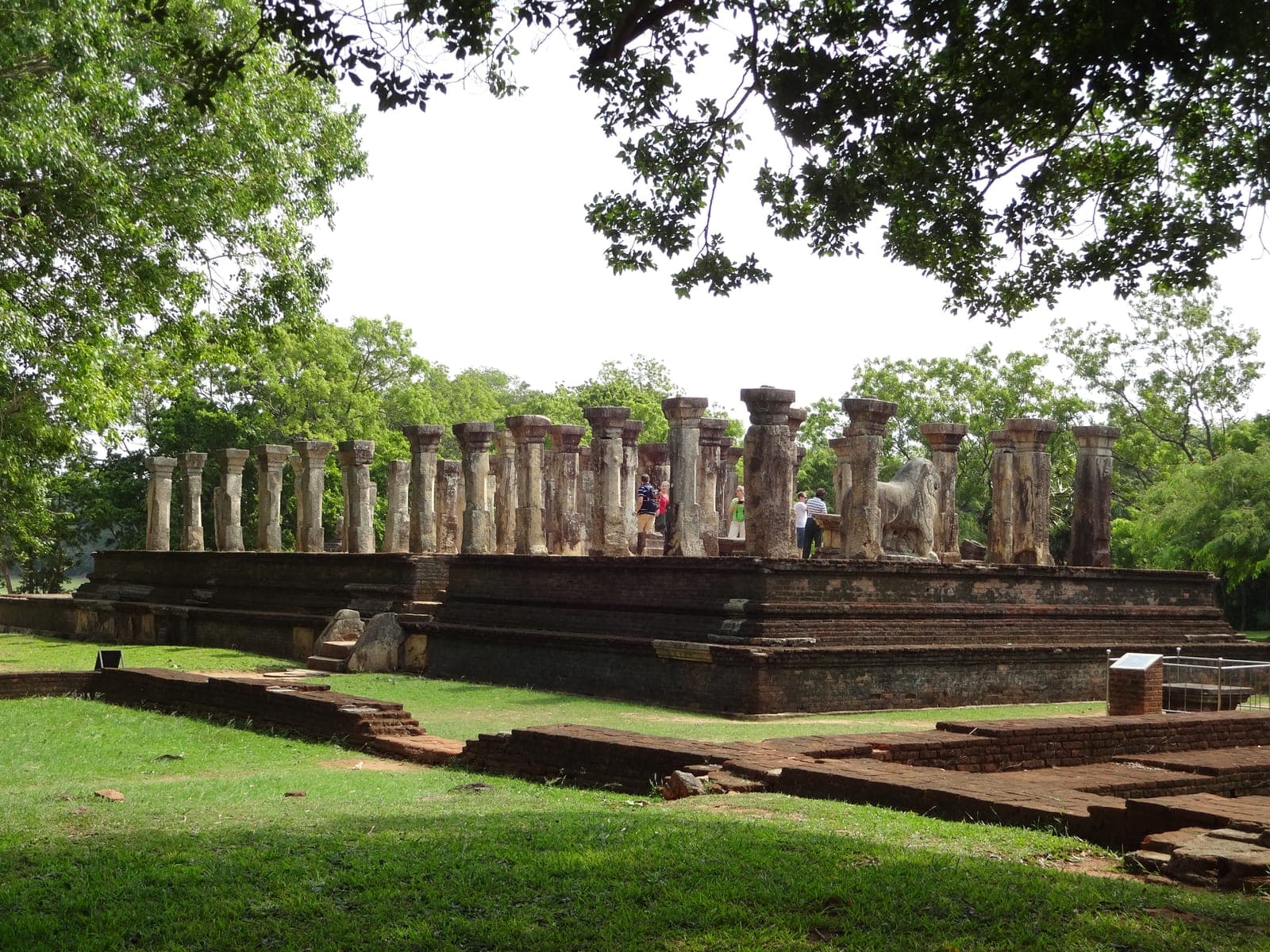
Deepa Uyana, or "Island Garden," is a historical pleasure garden located on the promontory of the Parakrama Samudra. Attributed to the reign of King Parakramabahu I (1153–1186 AD), this tranquil area was once part of the royal complex designed for leisure and retreat. Although few ancient structures remain, its strategic position jutting into the "Sea of Parakrama" offers breathtaking views of the massive reservoir, itself a testament to ancient hydraulic engineering. It serves as a serene reminder of the city's golden age when water management and landscape architecture flourished together.
Travel Times From ISARA Residence
Located 1.9 km from our doorstep in Polonnaruwa, easily accessible via bicycle, tuk-tuk, or car.
By Car / Tuk-Tuk
~5 mins
By Bicycle
~9 mins
Walking
~25 mins
Visitor Essentials & Heritage Etiquette
Tips for a respectful and comfortable visit to Polonnaruwa archaeological monuments
Shoulders and knees must be covered at all sacred Buddhist ruins. White or light-colored attire is respectful and keeps you cool under the tropical sun.
Shoes and hats must be removed before stepping onto elevated stone platforms and stupa terraces. Bring thick socks to protect feet against warm midday stone.
Early morning (07:30 - 10:00 AM) or late afternoon (03:30 - 05:45 PM) offer gentler temperatures, soft golden light for photos, and fewer tour groups.
Never turn your back directly to a Buddha statue when posing for photos. Flash photography is restricted in sheltered mural chambers like Tivanka Image House.
Continue Exploring
More Sites Near Deepa Uyana
Royal Palace
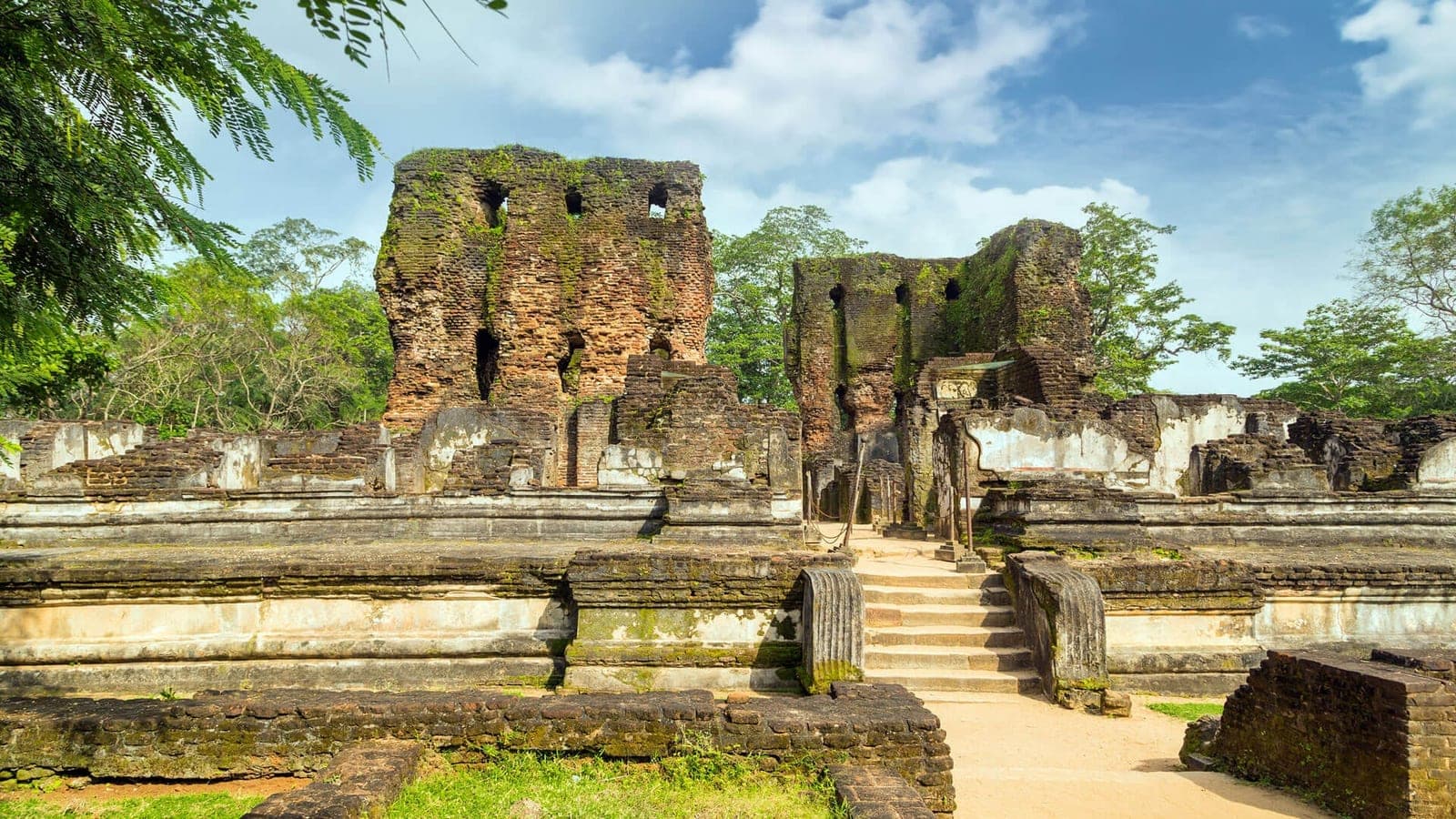
The Royal Palace of King Parakramabahu I, known as the "Palace of Seven Stories" (Vaijayanta Prasada), was once a colossal structure with a thousand chambers, according to the Chronicles. Today, massive brick walls of three stories remain, hinting at its original grandeur. The complex included spacious halls and likely had wooden upper floors that were destroyed by fire during the invasion of Kalinga Magha. The thick walls preserve traces of plaster and holes for floor beams, offering a glimpse into the immense scale of medieval royal living.
Archaeological Museum
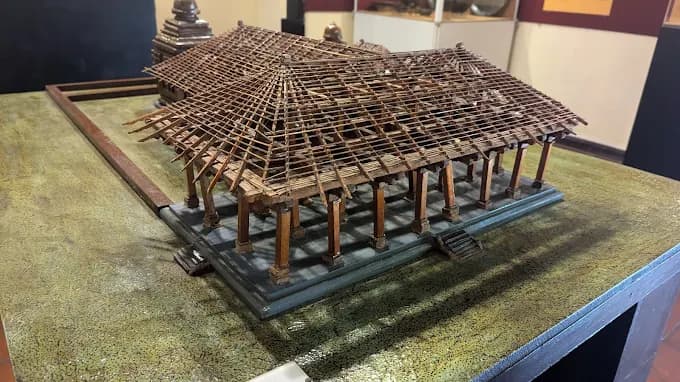
The Polonnaruwa Archaeological Museum is an essential starting point for any visit, located near the Parakrama Samudra rest house. It houses a rich collection of artifacts recovered from the ancient city, including surgical instruments, bronze statues of Hindu deities (evidence of religious tolerance and Chola influence), ceramic items, and architectural models. The museum provides context to the ruins, displaying reconstructions of how the massive buildings like the Royal Palace and Thuparama might have looked in their prime.
Council Chamber
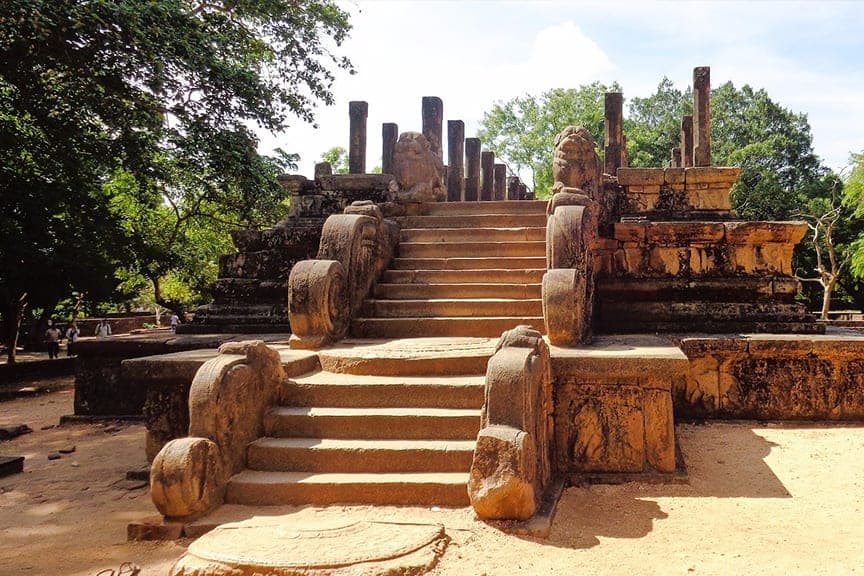
The Council Chamber of King Parakramabahu I is a rectangular structure situated on a high stone platform in front of the Royal Palace. It served as the king's audience hall for state affairs. The base is adorned with friezes of elephants, lions, and dwarfs. The entrance is guarded by two beautiful lion statues. The roof was once supported by stone pillars which remain today; historically, ministers sat at specific pillars assigned by rank, showcasing the organized administrative hierarchy of the Polonnaruwa kingdom.